
Sinus Lift in Scranton, PA
Every smile is different, and so is every dental implant solution. For patients with bone loss in the upper jaw, a sinus lift may be the key to making implants possible. Dr. Hazzouri Jr., Dr. Genello, and Dr. Knott bring more implant experience than any other local practice, and they take the time to understand each patient’s situation before recommending a path forward.
If you’ve been told you’re not eligible for dental implants due to bone loss, don’t count yourself out. We may have a solution that works for you.
What Is a Sinus Lift?
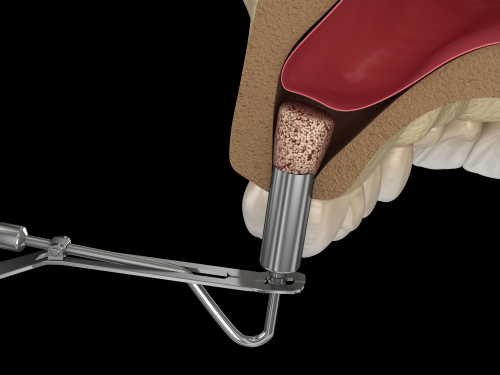 A sinus lift is a surgical procedure that helps create enough bone in the upper jawbone to support dental implants. It’s needed when you don’t have enough natural bone due to bone loss or the position of the sinus.
The sinuses are located above the upper molars. When teeth are missing for a long time, the sinus can expand downward and reduce the amount of bone available for securing implants. To fix this, a sinus lift raises the sinus membrane away from the jawbone and adds bone graft material in the space created underneath. This new bone provides a solid foundation for the implants.
The main purpose of a sinus lift is to prepare the jawbone for dental implants by strengthening the upper jawbone and promoting new bone growth. However, beyond dental implants, you may need a sinus lift in cases of significant bone loss, congenital bone deficiencies, or trauma-related damage.
How Is a Sinus Lift Performed?
To understand how a sinus lift works, it’s important to know what a bone graft does, as it’s a key step in the procedure. A bone graft acts as a scaffold to add new bone where there isn’t enough natural bone.
During the procedure, we lift the sinus membrane and place the bone graft material into the space created. This encourages the body to grow new, healthy bone. The material can be from your own body, a donor, or an animal source. It can also be made from a synthetic material.
Essentially, the bone graft supports jawbone regeneration, allowing us to safely place implants where the bone was previously too thin or weak.
Two Types of Sinus Lifts
There are two main approaches for sinus lifts. The one that’s best for you will depend on how much new bone you need.
Direct Method
A direct sinus lift, also called the lateral window technique, is best when you’ve experienced significant bone loss. Because it is more invasive, it’s done as a separate procedure before implant placement. Here’s what you can expect:
- We make an incision in the gum to expose the jawbone near the upper back teeth.
- We cut a small window or “trap door” into the side of the bone to access the maxillary sinus.
- The sinus membrane lining is gently lifted upward to create space.
- We add bone graft material into the space beneath the lifted sinus membrane.
- We stitch the gums closed, and the area is left to heal for 4-9 months so that new bone can grow.
Once healing is complete, we can place dental implants into the strengthened jawbone.
Indirect Method
An indirect sinus lift, also called the osteotome or crestal technique, is a less invasive procedure used when you need a modest lift. Here’s how treatment unfolds:
- We expose the bone at the implant site.
- We drill a small channel near the sinus floor but stop short of the sinus lining.
- Using special tools called osteotomes, we gently tap and lift the sinus floor.
- Bone graft material is placed into the new space beneath the sinus.
- We insert the dental implant immediately during the same procedure.
Healing time after an indirect sinus lift depends on whether you’re receiving a larger, conventional dental implant or a mini dental implant. Due to the smaller size of a mini implant, the jaw can heal faster after placement.
Do You Need a Sinus Lift for Mini Dental Implants?
In many cases, a sinus lift is not necessary for mini dental implants because mini implants are smaller in diameter. That means they require less bone than traditional implants, making them ideal for patients with bone loss in the upper jaw.
However, if you do need additional bone support near the sinus area or the sinus cavity is positioned too low, we may recommend an indirect sinus lift. This gentle approach raises the sinus membrane slightly and places bone graft material underneath, all through the same site as the implant.
It’s a minimally invasive technique that supports implant success while keeping your recovery time short and comfortable.
Learn Your Options With a Free Consultation
If bone loss has kept you from getting dental implants, a sinus lift may be the solution that opens the door to treatment. Whether you need a full sinus lift or just a slight boost, we can determine the right approach for your smile. With extensive experience and advanced training, our doctors can handle even the most complex cases.
Schedule a free consultation today to learn if a sinus lift could help you move forward with dental implants.
Frequently Asked Questions
During the procedure, you’ll be completely numb, so you won’t feel any pain during it. Most patients say it feels similar to having a tooth removed. Afterward, some mild swelling or soreness is normal. However, it’s usually very manageable with over-the-counter pain relievers and a little rest. We’ll give you clear aftercare instructions and check in to make sure you’re healing comfortably.
No, your face won’t look any different after a sinus lift. This procedure takes place inside your upper jaw, and the changes are all internal. It builds up bone where it’s needed to support dental implants, not to alter your appearance.
In fact, dental implants help support your facial structure and prevent the “sunken” look caused by bone loss. Ultimately, a sinus lift with dental implants can help preserve your natural face shape.
The only way to know for sure if you need a sinus lift is through a dental evaluation that includes imaging. Digital x-rays let us see the height and thickness of the bone in your upper jaw, as well as the position of your sinuses.
If you don’t have enough bone to securely hold an implant, we may recommend a sinus lift to create the necessary support.
Not everyone needs one, but if you do, we’ll walk you through it and make sure it’s as simple and stress-free as possible. Our team is here to help you understand all your options.
Related Videos
- What Is a Dental Implant?
- What Is a Mini Dental Implant?
- What Is an Endosseous Implant?
- Conventional Implants vs Mini Implants
- What If I Dont Have Enough Bone for a Conventional Implant?
- Do You Offer Same-Day Dental Implants?
- Benefits of Mini Dental Implants
- Advantages of One-Piece Implants
- What Issues Can Dental Implants Correct?
- Options for Replacing a Single Missing Tooth
- Options for Replacing Multiple Teeth
- Can Dental Implants Replace All of My Teeth?
- Can a Dental Implant Be Placed the Same Time a Tooth Is Extracted?
- Who Is a Candidate for Mini Dental Implants?
- The Mini Dental Implant Process
- How Long Is the Mini Dental Implant Procedure?
- Is Getting a Dental Implant Painful?
- What Is a Sinus Lift?
- Healing and Aftercare for Mini Dental Implants
- How Much Do Dental Implants Cost?
- Are Dental Implants Covered by Insurance?